Hoodies have evolved far beyond basic merch. Today, they function more like wearable statements, blending comfort, fashion, and identity into a single product. If your goal is to make and sell merch successfully, hoodies offer one of the best canvases to create high-impact merch designs that customers genuinely want to wear.
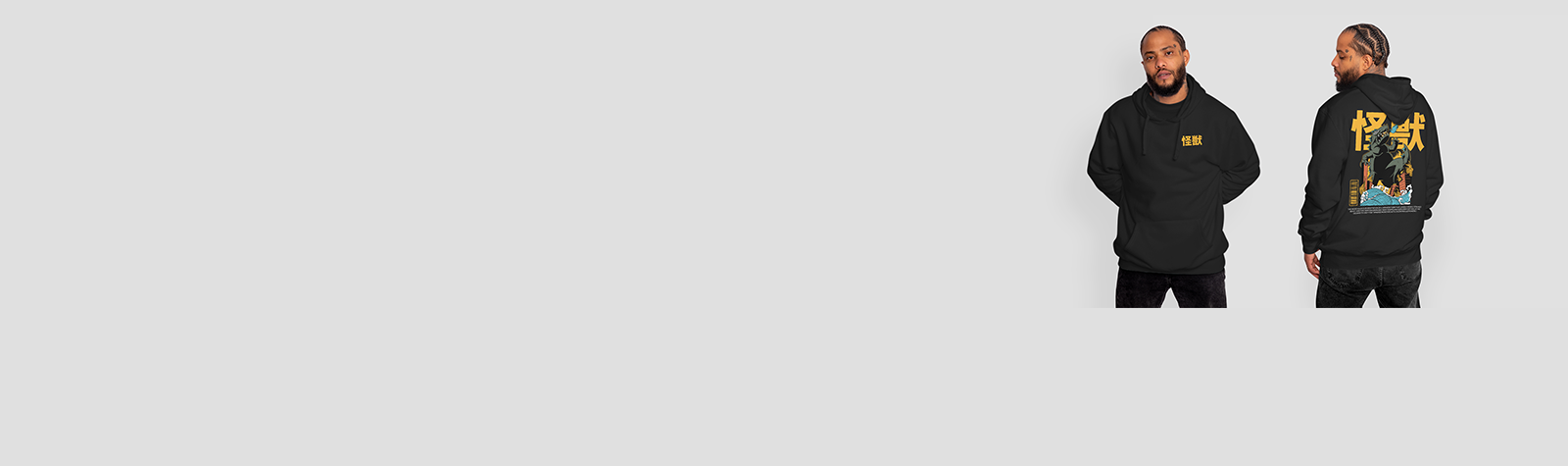
One of the biggest layout trends right now is the small front + large back combination. It feels modern, intentional, and closer to retail streetwear than traditional merch. Instead of placing a single graphic and calling it done, designers are using both sides of the hoodie to tell a story, create intrigue, and increase perceived value.

Whether you’re launching your first collection or expanding your catalog, learning how to design hoodies with front and back graphics can immediately elevate your products.
Why Front and Back Hoodie Designs Are Trending
Modern apparel buyers are becoming more design-aware. They want pieces that feel thoughtful rather than mass-produced, and hoodies with graphics on both sides naturally deliver that impression. There are a few reasons this layout is gaining momentum:

Higher perceived value
A hoodie with front and back graphics feels more premium and fashion-forward, which helps justify a higher price point.
Streetwear influence
Many contemporary brands use layered placements to create visual interest. Merch is following that direction.
More room for storytelling
Unlike t-shirts, hoodies provide a larger printable area, allowing you to combine subtle details with bold statements.
Stronger brand presence
When done right, a dual-sided design looks intentional, more like a curated product than a simple printed garment.
In short, a hoodie with graphics on both sides feels closer to retail fashion than basic merch.
The Most Popular Hoodie Layout Right Now: Small Front, Big Back

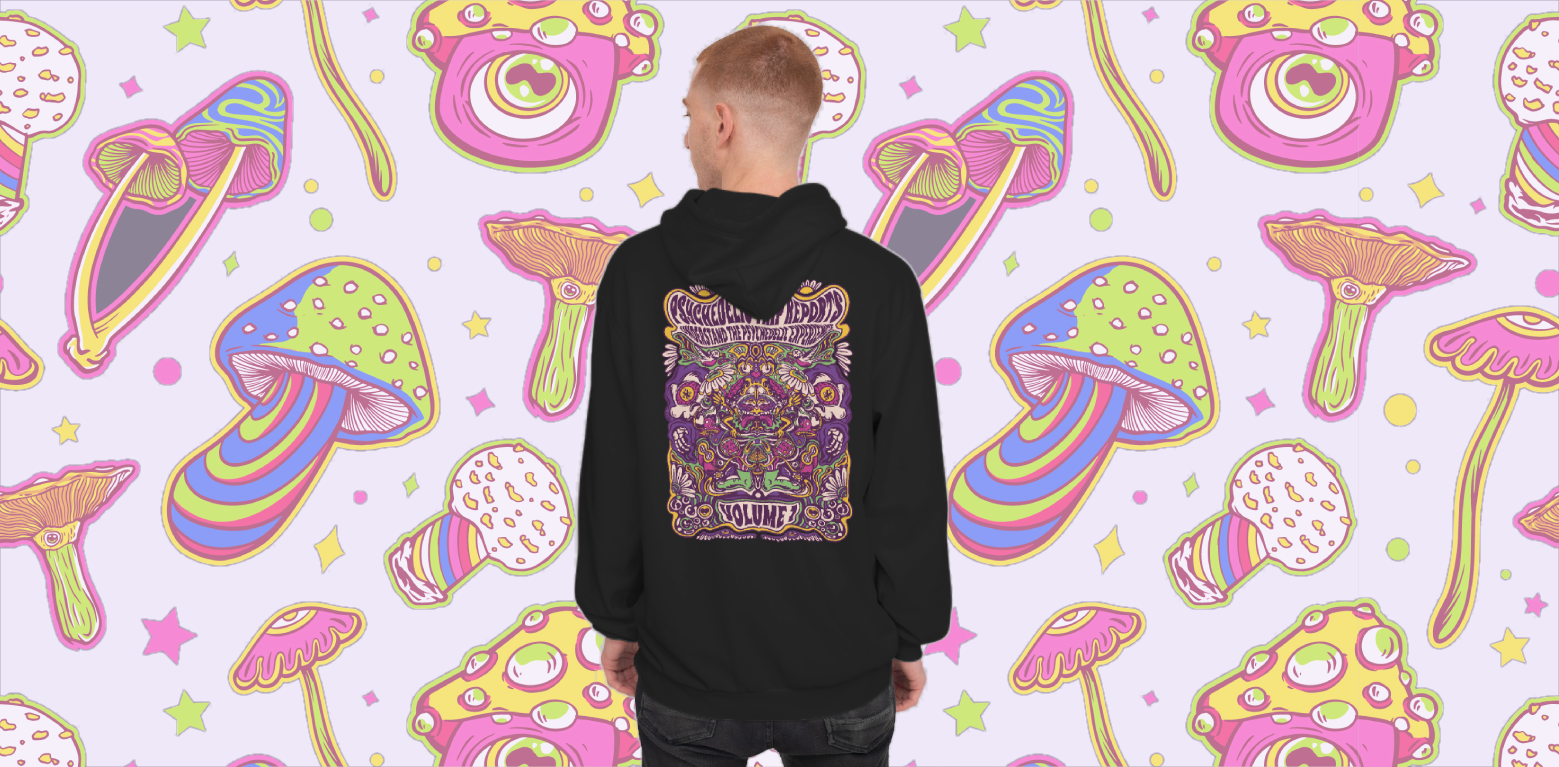
This structure works because it creates balance. The small front design sparks curiosity, while the back becomes the main visual moment. Think of the front as the hook and the back as the payoff.
Example:
- Front: a tiny compass icon placed on the left chest
- Back: a large illustrated mountain with the phrase “Forge Your Own Path”
The elements are simple, original, and connected without relying on recognizable references.
Many hoodie templates already follow this structure because it naturally guides the viewer’s eye and prevents the garment from feeling overcrowded.
Ways to Connect Front and Back Designs
Designing both sides doesn’t mean duplicating graphics. The strongest hoodies create a relationship between the two surfaces.
Complementary Designs
Each side works on its own but becomes stronger together.
Example:
- Front: a small outline of a paper airplane
- Back: a trail of dashed lines forming a looping flight path with the phrase “Chase Your Dreams”
Here, the front sparks curiosity, while the back delivers the payoff.
One Story, Two Surfaces
Use the hoodie to create a narrative.
Example:
- Front: a seed icon with the phrase “Plant the Idea”
- Back: a small tree growing with birds and clouds, reading “Watch It Grow”
This creates a complete story from start to finish.
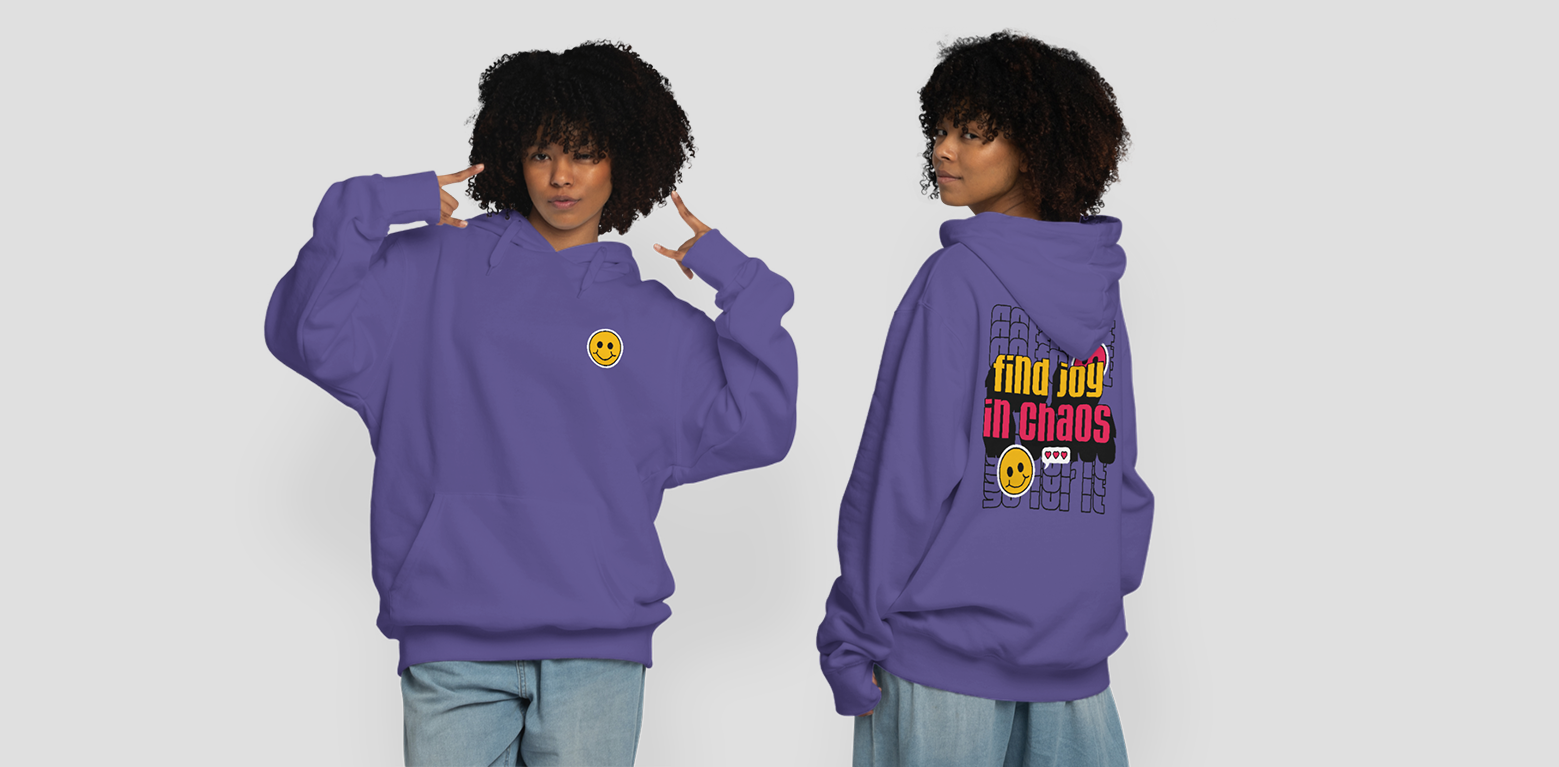
Minimal Front, Loud Back
A favorite in modern streetwear. The front stays understated, while the back commands attention.
Example:
- Front: a tiny smiley face icon
- Back: oversized typography saying “Find Joy in the Chaos”
This contrast feels intentional and very current.
Teaser or Interactive Layouts
This approach uses the front of the hoodie to “invite” viewers to check out the back, creating curiosity or interaction. It works especially well for designs that tell a small story or feature a playful visual.
Example:
- Front: the small phrase “Follow Me” on the upper chest
- Back: an illustration of a winding path leading to a city or natural horizon
The front text acts as a teaser; the back reveals the full scene, making both parts work together.

Hidden Detail Strategy
This strategy places subtle details on the front or in unexpected areas that relate to the main design on the back, creating a sense of discovery or a hidden nod for those who notice.
Example:
- Front: a tiny star embroidered on the sleeve or shoulder
- Back: a night sky full of constellations with the phrase “Shine Your Way”
The surprise comes from hidden details that expand the hoodie’s story.
Design Tips Before You Start
Designing hoodies is different from designing t-shirts or other merch items. The additional space, layers, and panels allow for more creativity, but also require strategy. Here’s how to approach it effectively:

Think Strategically About the Product
Hoodies have unique elements: front pocket, hood, sleeves, and larger back panels. Before starting, plan how your design will interact with these areas. Ask yourself: Where do I want the eye to go first? Should the front be minimal or bold? How can the back complement the front?
Think in Layers
Unlike t-shirts, hoodies give you multiple surfaces to work with. Use layering to guide the viewer’s eye, creating a sense of hierarchy and flow. You can combine a subtle front graphic with a bold back design without overcrowding the hoodie.
Use the Fabric Space
The sleeves, hood, and even side panels are design opportunities. Small prints on the cuff, text running along the sleeve, or a subtle motif on the hood can elevate the design. These details create depth and make the hoodie feel premium and unique.
Scale Matters
Large back graphics need breathing room. Overcrowded or dense prints can feel heavy and overwhelming once worn. Make sure key elements have space around them, and test the design visually on a hoodie mockup to ensure it looks balanced.
Use a Hoodie Maker or Template
Tools like a hoodie maker, template, or Vexels Designer make it easier to visualize placement, proportions, and spacing before production. They allow you to experiment with different layouts, colorways, and connections between front and back without wasting time or resources.
Common Mistakes to Avoid
Even the strongest hoodie concepts can fall flat if execution isn’t carefully considered. Here are the most common pitfalls and how to avoid them:

Oversized Front Prints
Placing a huge graphic on the front may seem bold, but it can overwhelm the hoodie, hide key details, and feel outdated. Balance is key: small or medium graphics can hint at the larger story on the back while keeping the design wearable.
Disconnected Graphics
When the front and back designs don’t relate, the hoodie can look accidental or unfinished. Every element should feel like it belongs to the same story or theme.
Unreadable Typography
Typography is critical for impact, especially on the back. Text that is too small, overly stylized, or poorly contrasted with the garment color can be lost from a distance. Always test readability at different sizes.
Too Many Elements
Crowding the hoodie with multiple icons, patterns, or messages can create visual noise. The design should feel intentional, not chaotic. Less is often more, particularly when combining front and back graphics.
Ignoring Fabric Folds and Garment Shape
Hoodies are worn in motion; folds, seams, and stretch areas can distort important parts of your design. Not considering how the design sits on the body may result in crucial elements being hidden or bent.
Lack of Intentional Flow
A hoodie should feel cohesive from front to back. Random placement or unplanned graphics break the narrative and reduce impact. Keeping designs intentional, focused, and strategically placed almost always produces better results.
Final Thoughts: Design the Experience, Not Just the Hoodie
Use these ideas as creative starting points. Explore them further, analyze how they align with your niche, and evaluate whether they resonate with your audience and brand style.
It’s neither realistic nor effective to chase every trend or layout. The real goal is to identify the direction that supports the type of print-on-demand store you want to build.
The best hoodie designs don’t treat the garment as a single canvas, they use every surface to create an experience. When both sides feel connected and intentional, the product naturally appears more premium.
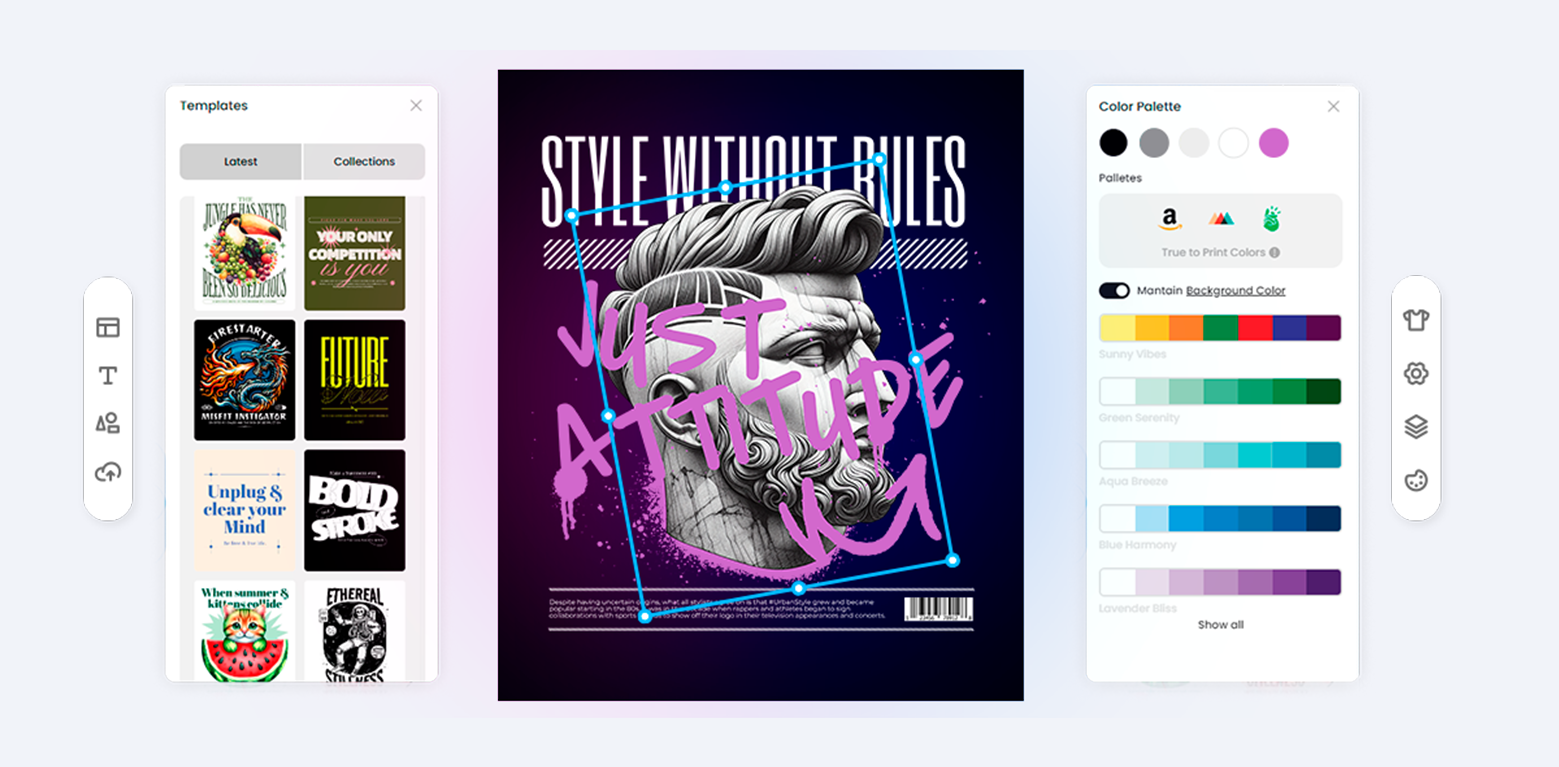
Tools like a Merch Designer make this process much easier: you can test fonts, swap and adjust graphics, experiment with templates, and preview your front-and-back layouts in real time. This allows you to iterate quickly and see exactly how your design will look on the final hoodie.
If you want to make and sell merch that stands out in an increasingly competitive space, mastering front and back hoodie design is one of the smartest moves you can make.